Posted on Feb 9, 2026
Image Credit:
Image Credit:
File ID 29741025 | © Ocskay Bence | Dreamstime.com
Share: 



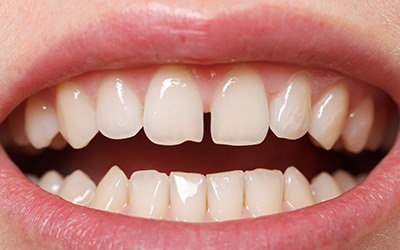
Many parents feel surprised when they notice gaps between their child’s baby teeth. However, spacing is often a normal and healthy part of early dental development. In fact, these small gaps help create room for larger permanent teeth later on. Practices rooted in Delaware dentistry often reassure families that baby teeth are meant to guide proper alignment, not necessarily stay perfectly close together. A trusted kid’s dentist in Columbus can evaluate whether your child’s spacing pattern is typical or if monitoring is needed.
Baby teeth are smaller than adult teeth, and permanent teeth need extra space to come in correctly. Without enough room, crowding may develop as adult teeth erupt. A skilled pediatric dentist in Columbus will often explain that spacing is nature’s way of preparing the jaw for the future. Parents seeking children’s dental care should view early gaps as a positive sign rather than a problem. In many cases, healthy spacing reduces the likelihood of orthodontic complications later.
Although gaps are usually normal, certain spacing issues may require attention. For example, too much spacing or uneven gaps could indicate missing teeth, delayed eruption, or jaw growth differences. Regular pediatric dental checkups allow dentists to track development over time. A kid’s dentist in Columbus may recommend an early orthodontic evaluation if crowding, bite issues, or unusual spacing patterns appear. Families working with Delaware dentistry providers benefit from preventive monitoring that supports long-term oral health.
Several factors influence spacing between baby teeth, including genetics and natural jaw growth. Some common causes include:
A qualified pediatric dentist in Columbus can determine whether these factors are affecting your child’s smile.
Parents play an important role in guiding strong dental habits early. Along with professional care, daily routines help protect baby teeth and support proper spacing. Consider these tips:
By partnering with experts in Delaware dentistry, families can ensure spacing remains part of a healthy developmental process.
Choosing the right dentist ensures your child receives specialized care tailored to growing smiles. A trusted kid’s dentist in Columbus understands how baby teeth spacing impacts adult alignment, while a knowledgeable pediatric dentist in Columbus can identify issues early before they become more complex. Many families also seek guidance from family dentistry practices that provide continuity of care from toddler years through adolescence.
Spacing between baby teeth is often a sign of healthy growth, making room for the permanent teeth to come in. With regular dental visits and strong home care, parents can feel confident that their child’s smile is developing as it should. Whether you connect with providers through Delaware dentistry networks or consult a pediatric dentist in Columbus, early attention and education make all the difference in supporting lifelong oral health.
File ID 29741025 | © Ocskay Bence | Dreamstime.com
Share:


Cookie Preferences | Cookie Consent | Privacy Policy
Nothing contained on or offered by or through this website should be construed as medical advice and should not be relied upon for medical diagnosis or treatment.
© Copyright 2017-2026 Dental Websites | Dental Marketing | All Rights Reserved.